Miami industrial is one of the tightest, most defensive asset classes in the country — and the building is not interchangeable. Clear height, dock doors and power decide whether the box works for the tenant. I read the specs and the submarket before you read the asking price.
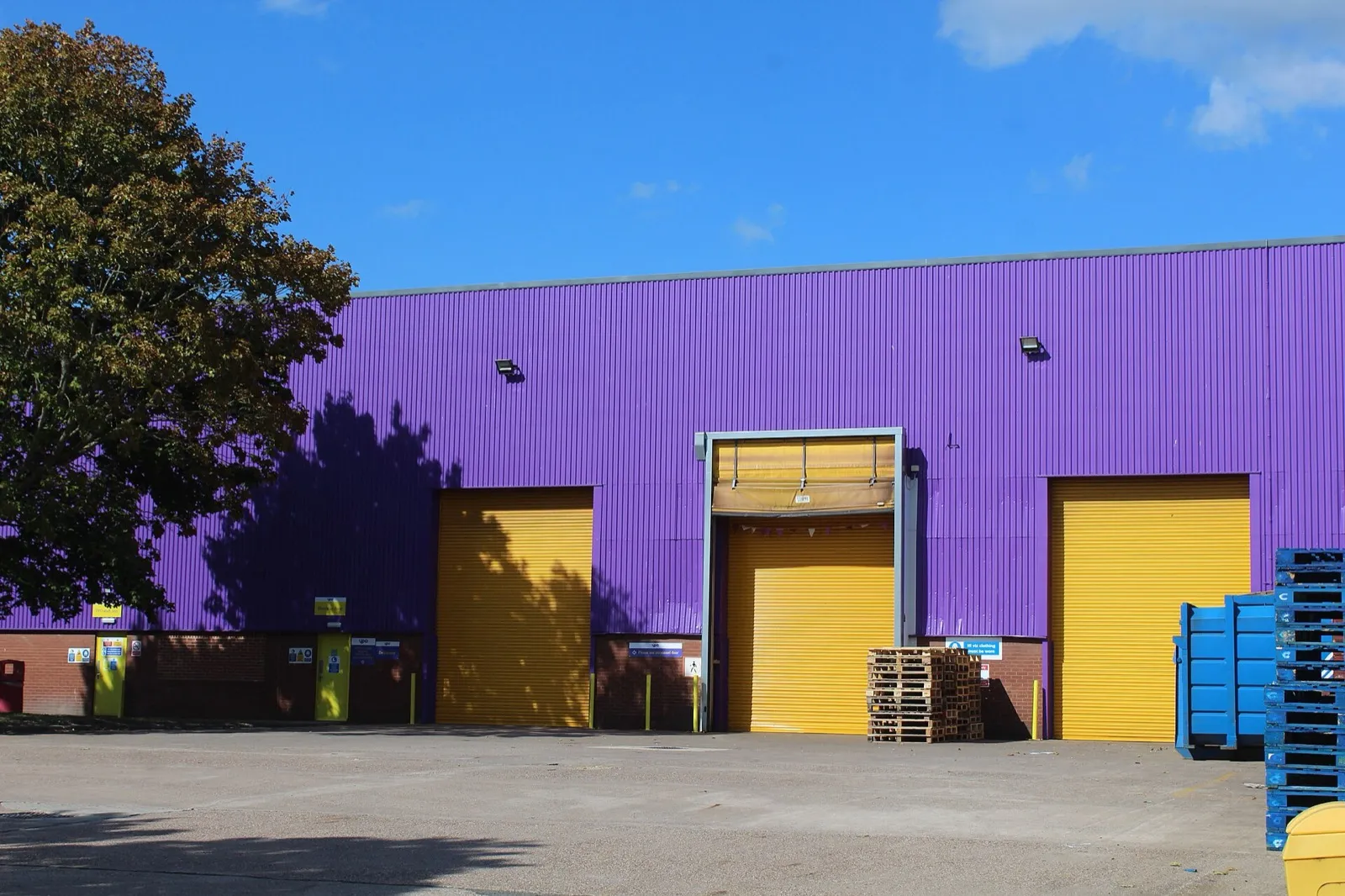
A warehouse is bought on logistics, not curb appeal. You are underwriting a submarket's vacancy, a tenant's operation, and a building whose clear height and loading either fit modern distribution or don't.
Miami is the trade gateway between the United States and Latin America, anchored by PortMiami and Miami International Airport, and the last-mile distribution hub for one of the densest metros in the country. Industrial land is scarce and getting scarcer as logistics, e-commerce and air cargo compete for the same boxes, which is why Miami-Dade industrial vacancy has run among the lowest in the nation for years. Low vacancy and rising rents make the asset class defensive — but they also push pricing up and pull functionally obsolete buildings to market at modern prices. The discipline is buying a box that today's tenant can actually operate in, in a submarket where demand is real.
Two Miami warehouses at the same price per foot can be worth very different money once you read the submarket and the building. The variables that move the number are the submarket and its vacancy, the clear height, the dock doors and loading configuration, the truck court and trailer parking, the power and the zoning, and whether the asset is bought owner-user or for investment.
Airport West, Medley, Hialeah and Doral each price and lease differently. Proximity to MIA, the port and the highway grid sets the rent.
Modern distribution wants 28–36 ft clear; older Miami stock at 18–22 ft limits the tenant pool and the rent. Height is function.
Dock-high doors, grade-level access and loading configuration decide what operations the box can serve. A shortfall here caps demand.
Truck court depth, trailer parking and maneuvering room. A tight site is a tenant-limiting site, however good the building.
Electrical capacity for modern use, plus IU/industrial zoning that permits the operation. Power is hard and costly to add later.
An owner-occupier underwrites occupancy cost and SBA financing; an investor underwrites the lease and the cap. Different buyers, different math.
An owner-user buys a warehouse to run their own business out of it: the math is occupancy cost versus rent, and the financing is often SBA 504, which can reach high leverage with a modest down payment for an operating company. An investor buys the lease: the math is the cap rate, the tenant's credit and the weighted lease term, and the financing is conventional commercial debt. The same building can be a strong buy for one and a weak buy for the other. Knowing which buyer you are is the first underwriting decision. The full commercial thesis and how I work are on the commercial advisory page, with market notes on the insights page.
Miami is the U.S.–Latin America trade gateway with PortMiami and MIA, and a last-mile hub for a dense metro. Industrial land is scarce, vacancy has been among the nation's lowest, and rents have risen — a defensive, supply-constrained asset class.
Airport West, Medley, Hialeah and Doral are the core industrial submarkets, prized for proximity to MIA, PortMiami and the highway grid. Each prices and leases differently — the submarket sets the rent and the exit.
An owner-occupier can use SBA 504 financing — high leverage, modest down payment — to buy a building for their own operating business. An investor uses conventional commercial debt underwritten to the lease and the tenant's credit.
Clear height (modern distribution wants 28–36 ft), dock doors and loading, truck court and trailer parking, electrical power, and industrial zoning that permits the operation. A shortfall in any of these limits the tenant pool and the rent.
Send me the listing or the OM. I'll tell you whether the box works for today's tenant, where it sits in the submarket, and whether it pencils as an owner-user or an investment — independent, buyer-side, no obligation.
Email carlos@balartre.com
Direct +1.786.603.3075
Office 1390 Brickell Ave, Suite 104 · Miami, FL 33131
Miami warehouses sit within a broader commercial real estate mandate. See the full thesis, criteria and how I work.
Commercial Advisory →